The Allure of Risk and Reward
The fundamental attraction of casino games lies in the thrill they provide, which is deeply rooted in human psychology. Many players are drawn to the idea of taking risks for the potential of a substantial reward, which is why many consider the best bitcoin casinos as an exciting option. This interplay between risk and reward can trigger the brain’s reward center, releasing dopamine—a chemical associated with pleasure and motivation. The anticipation of winning can create a high similar to that experienced with other forms of excitement.
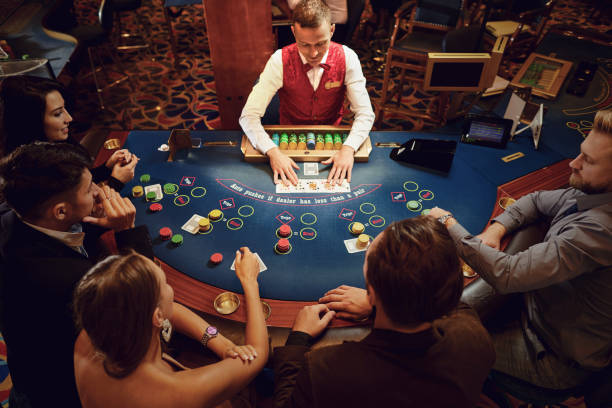
Moreover, the unpredictability of games like slot machines and poker enhances this excitement. Each spin or hand dealt offers a new chance to win, and this uncertainty can lead to a continuous cycle of play. Players often find themselves chasing the next big win, leading to prolonged engagement with the games, as they hope to recreate moments of success.
The Role of Cognitive Biases
Cognitive biases heavily influence gambling behaviors, further explaining why people keep returning to casino games. One notable bias is the illusion of control, where players believe they can influence the outcome of a game through their actions or decisions, despite games of chance being predominantly random. This false sense of control can motivate players to gamble more, as they feel empowered and believe their decisions can impact their success.
Additionally, the gambler’s fallacy contributes to ongoing participation. This is the mistaken belief that past events can affect the probability of future outcomes. For example, if a player observes a series of losses, they might believe that a win is ‘due’ soon, encouraging them to keep playing. These cognitive distortions can make it challenging for individuals to recognize when to stop, often leading to compulsive gambling behaviors.
The Social Aspect of Gambling
Casino games also serve as social venues, fostering a sense of community among players. The social interaction found in casinos—whether through chatting with fellow players or engaging with dealers—can enhance the enjoyment of the experience. Gambling is often seen as a recreational activity that can be shared with friends and family, adding a layer of social bonding that is hard to replicate in other entertainment forms.
This communal aspect plays a significant role in why individuals return to casino games. The shared excitement of winning or the support during losses creates a unique environment that is both thrilling and comforting. With many establishments offering tournaments and group games, the allure of competition can also further draw individuals back into the gaming world.
The Impact of Game Design
Modern casino games are meticulously designed to keep players engaged for as long as possible. Elements such as vibrant graphics, engaging sound effects, and enticing themes create immersive experiences that capture the player’s attention. These design features cater to human desire for stimulation and adventure, encouraging longer play sessions.
Additionally, many games employ variable reward systems, where payouts are unpredictable, reinforcing the desire to play. The constant feedback loop created by winning small amounts amidst losses can lead to a conditioned response, where players develop a compulsive urge to continue playing in search of the next payout. This behavioral conditioning is a powerful factor in maintaining player interest and can significantly affect gambling frequency and duration.

Enhancing Language Skills through Understanding Casino Psychology
Understanding the psychology behind casino games not only sheds light on gambling behaviors but can also enrich comprehension skills, especially for learners of English. Analyzing the motivations and influences of gambling can provide new vocabulary and context for discussing human behavior. This topic promotes critical thinking and deeper discussions, which are invaluable for language development.
Moreover, resources like English-for-Students.com offer materials that can help individuals articulate their thoughts on diverse subjects, including psychology and gambling. By engaging with such topics, learners can improve their language proficiency while exploring fascinating aspects of human behavior, making the learning process both enjoyable and educational.